
Seen It, Sailed It, Sold It: The Value of First-Hand Expedition Experience
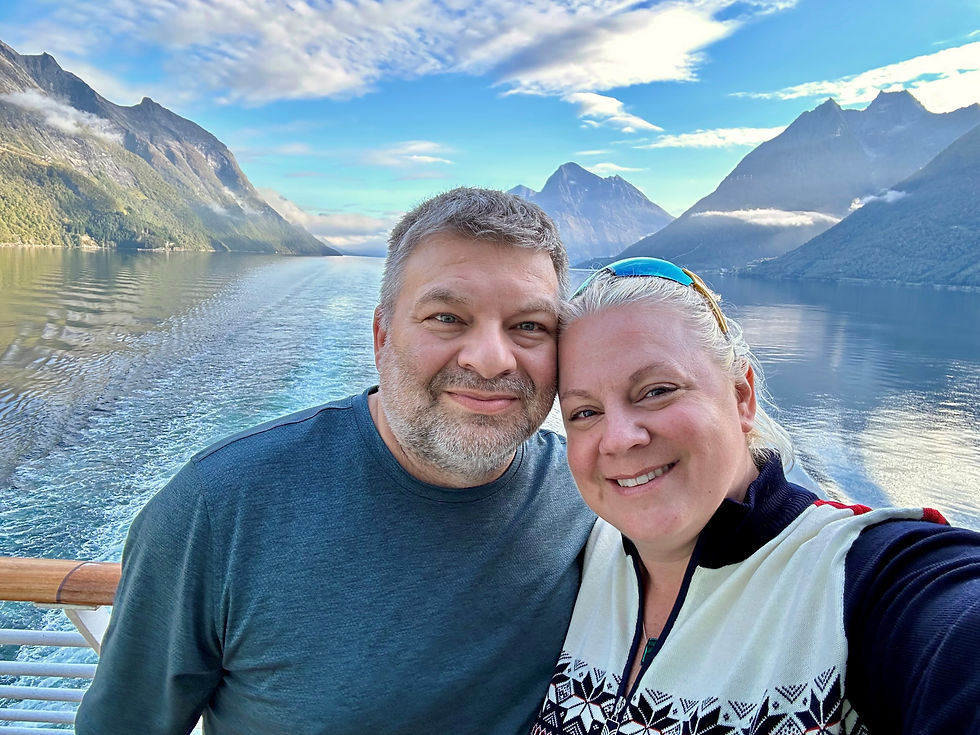
Meet the Founders Behind Glacial Expeditions
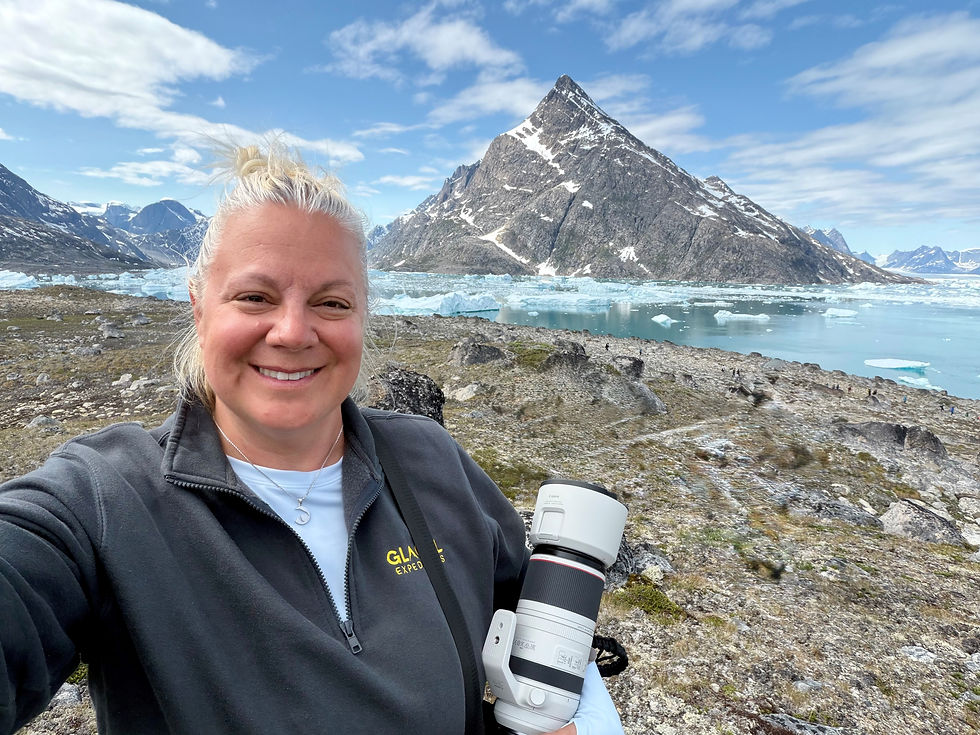
Erika and Chris Commisso are the founders of Glacial Expeditions, the expedition travel division of Journey with Erika, specializing in immersive journeys to the world’s most remote and remarkable destinations. Through firsthand exploration and extensive experience sailing with leading expedition operators, they bring a deep understanding of the ships, destinations, and unique experiences that define expedition travel. They have personally experienced multiple expedition ships across destinations including Antarctica, Alaska, Greenland, the Galápagos, Iceland, Svalbard, and beyond, giving Glacial Expeditions a rare level of firsthand insight into the differences between operators and the experiences they deliver. Together, Erika and Chris are passionate about helping travelers discover the expedition that is right for them by matching each client with the ideal ship, destination, and style of exploration.
Through personal experience, storytelling, and strong relationships with expedition partners, Glacial Expeditions helps travelers move beyond simply choosing a destination and instead discover the journey that will create a truly transformative experience.
Building Expertise Through Experience
Tell us briefly about your experience of expedition cruising and the range of destinations, ships and operators you have travelled with.
To date, I have sailed with National Geographic-Lindblad Expeditions, HX Expeditions, Silversea Expeditions, Aurora Expeditions, Quark Expeditions, Atlas Ocean Voyages, Swan Hellenic, Ponant, Polar Latitudes, Seabourn Expeditions, Quasar Expeditions, Iceland ProCruises, and Hurtigruten. My travels have taken me throughout Alaska, Antarctica, the Galápagos Islands, Iceland, East Greenland, Svalbard, and the Scottish Hebrides aboard more than 15 different expedition ships.
How has experiencing so many different expedition products changed the way you define, and sell expedition cruising?
Experiencing so many different expedition products has completely changed the way I define expedition cruising. Yes, it is traveling to remote destinations, but it is more about meaningful exploration, learning, and connection. While the destinations are incredible, the expedition team, the unknown, flexible itinerary, and the opportunities to immerse yourself in the environment are what truly define the experience.
It has also reinforced that there is no single "best" expedition cruise line. Every operator has its own strengths, whether that's a stronger scientific focus, more active adventure programming, a higher level of luxury, exceptional photography opportunities, or unique itineraries. My role isn't to sell one brand over another; it's to understand my clients' interests, travel style, and expectations, then match them with the expedition that will deliver the experience they're looking for.

Beyond the Brochure
What can an advisor only truly understand after experiencing an expedition for themselves?
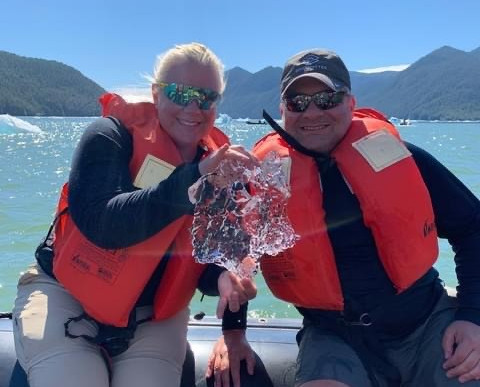
There are many parts of expedition cruising that simply cannot be learned from a brochure, webinar, or ship inspection. You can understand the specifications of a vessel, but you cannot fully appreciate the feeling of stepping into a Zodiac surrounded by icebergs, watching wildlife appear unexpectedly, or experiencing how an expedition team adapts an itinerary to take advantage of a once-in-a-lifetime opportunity.
Traveling firsthand also allows me to understand the nuances that make each expedition unique—the rhythm of the days, the personality of the expedition team, the onboard atmosphere, the level of activity, and how the experience feels from a guest’s perspective.
Which client questions, concerns or misconceptions are you now better equipped to address because of your first-hand experience?
Many clients come to expedition cruising with misconceptions, wondering if it will be too rugged, too physically demanding, or if they will feel out of place. My firsthand experience allows me to explain what daily life is really like and help clients understand that there is a wide range of expedition styles. I can answer questions about everything from cabin choices and seasickness to activity levels, clothing, photography opportunities, and what to expect from Zodiac excursions and shore landings. Those practical details often give clients the confidence to take the leap into expedition travel.
Matching the Right Expedition to the Right Client
Across your travels, what have you learned about matching the right client with the right ship, operator and destination?
The biggest lesson I have learned is that expedition cruising is incredibly personal. Two clients can visit the same destination and have completely different ideal experiences depending on their interests, expectations, and travel style. Some travelers are looking for the most active adventure possible, while others prioritize photography, wildlife, cultural connections, luxury amenities, or exceptional naturalist guides. Understanding those differences, and having experienced them myself, allows me to ask better questions and make recommendations based on the experience a client wants to have, not just the destination they want to visit.

Which differences between expedition operators or ships are most important to explain to clients, but are not always obvious from brochures or websites?
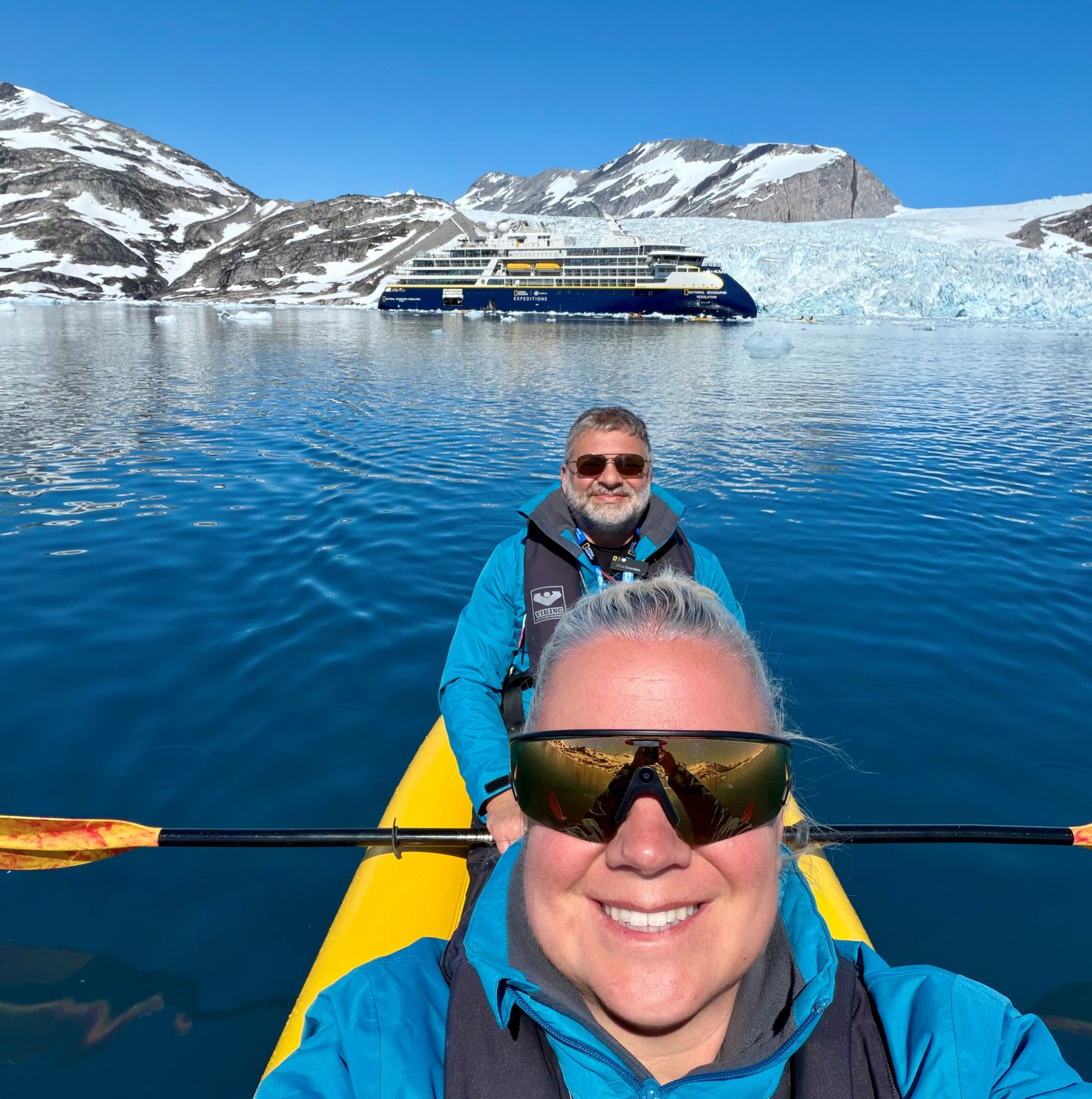
One of the biggest differences between expedition operators is not necessarily what activities they offer, but how those experiences are delivered. When you look at expedition itineraries, many operators may appear very similar on paper. You will often see the same descriptions: Zodiac cruising, shore landings, wildlife viewing, hikes, photography opportunities, and perhaps kayaking. However, the day-to-day operation of those activities can vary significantly from one operator to another, and that has a major impact on the guest experience.
The number of guests, landing procedures, and activity schedules all influence how much time clients spend ashore, how flexible the experience feels, and how they interact with the destination. Some use rotating shifts, allowing guests to alternate between activities like landings, Zodiac cruises, and kayaking. Others may create more flexibility by offering multiple experiences happening at the same time. Some operators have a more structured approach where everyone participates in the same activity together. None of these approaches is necessarily better, they simply create different experiences.
Understanding those operational differences is where firsthand knowledge and strong industry relationships become invaluable. Talking with business development managers and connecting with advisors who have personally sailed specific operators in specific regions can provide insights that are rarely found in brochures or websites. Those details are often what help determine which expedition will be the best fit for a particular client.

The Moments That Shape Your Advice
Has a particular voyage, wildlife encounter or experience fundamentally changed the way you speak to clients about expedition cruising?
My very first expedition cruise with Lindblad Expeditions in Alaska is the experience that truly hooked me on expedition cruising, and it is a story I continue to share with clients today. We had just boarded the ship and were sailing away from Ketchikan when we sat down for our first dinner. The dining room was at water level, and suddenly someone spotted orcas outside the window. Within seconds, the entire room erupted, everyone who could see them immediately called out “orcas!” and we all left dinner behind. There were napkins flying, cameras being grabbed, and suddenly a beautifully prepared dessert was forgotten because we were all racing outside to experience the moment.
A pod of orcas had appeared alongside the ship, with an incredible orange sunset as the backdrop. The captain slowed the ship, allowing everyone to simply sit in that moment and watch. Eventually, we did make our way back for dessert, but after that unexpected encounter on the very first evening, I knew I was completely in love with expedition travel.
That experience is one of the reasons I often describe expedition cruising, especially in Alaska, as a full-time wildlife experience. You are not just visiting a destination; you are immersed in it. The captain, expedition team, and itinerary are all designed around maximizing these moments when nature decides to show up. When clients question why expedition cruising is a different investment than a traditional cruise, I often share this story because it explains the value better than any brochure can.
Can you share an example where your personal experience directly influenced a recommendation, secured a booking or helped you guide a client towards a more suitable expedition?
One of the best examples is my experience visiting Antarctica during two different seasons: once in December and again in February. Experiencing Antarctica at different times of the season gave me a much deeper understanding of how dramatically the experience can change throughout the year.
In December, I experienced the height of the early penguin nesting season, with penguins sitting on eggs and the excitement of new life beginning, while the waters were filled with whales actively feeding after their migration. By February, the landscape and wildlife behaviors had completely shifted. The penguin chicks had grown into curious, energetic juveniles exploring their surroundings, and the whales had moved into a different phase, more playful and curious as they prepared to eventually head out to the open water.
Having experienced these seasonal differences allows me to have much more meaningful conversations with clients. When someone tells me they want to visit Antarctica, I share these animal encounter stories for what the experience may look like during different periods of the season and what types of wildlife behaviors they might encounter. Clients immediately connect with a specific time period - the idea of seeing penguin chicks, while others are drawn to the energy of nesting season or peak whale activity. Of course, wildlife encounters can never be guaranteed, and every expedition is unique, but being able to share what I have personally experienced helps clients choose the timing that best matches their interests and expectations.

Why Every Expedition Is Different
Despite your extensive experience, what continues to surprise you about expedition cruising?
What continues to surprise me is how every expedition feels completely different, even when visiting destinations I have experienced before. Nature is constantly changing, wildlife encounters are never guaranteed, and the people you meet, both onboard and in the communities you visit, create a unique story every time. Expedition cruising reminds me that the destination is only part of the journey. The true magic comes from the combination of nature, curiosity, the expedition team, and the unexpected moments that unfold along the way.
Advice for Advisors
What advice would you give advisors who want to build genuine authority and confidence in selling expedition cruising, particularly if they have not yet travelled extensively themselves?
The best place to start is to become a true student of expedition travel. Take advantage of the resources available through organisations like the Expedition Cruise Network, attend trainings, and spend time understanding the differences between operators and ships. Learn the details that matter to clients like the size and style of vessels, passenger capacity, cabin configurations, solo and triple options, onboard experience, and what makes each expedition line unique. Then go deeper into the destinations themselves: understand which operators sail in places like Antarctica, the Galápagos, Greenland, and beyond, how their experiences differ, and which travelers each product is best suited for. Building relationships with your business development managers and expedition partners is also essential, they are incredible resources and can help advisors better understand their products and identify the right opportunities for their clients.
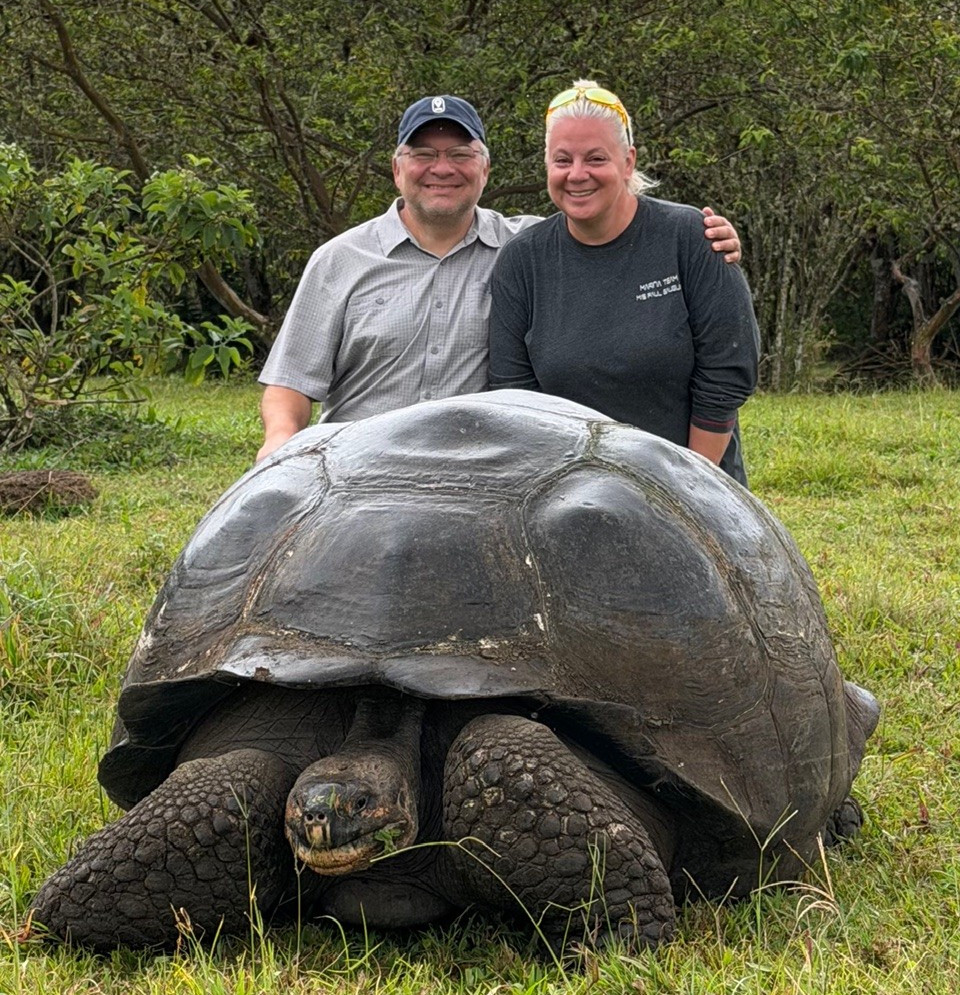
The most important step is to create an experiential plan to invest in yourself. Identify the suppliers you are interested in selling and learning more about, and take advantage of the opportunities they offer. Many expedition operators provide agent rates, host FAM opportunities, and offer ship visits—apply for them, attend them, and experience as much as you can. Those opportunities may not always happen at the perfect time or be your dream destination, but every experience adds another layer of knowledge and confidence. Don’t be afraid to invest in yourself. You will be amazed at how much your ability to market, educate, and connect with clients grows when you have firsthand stories to share. In fact, visiting a destination more than once or experiencing the same operator multiple times can be incredibly valuable because each journey reveals something new and allows you to speak with even greater authenticity.


Comments